Meet Keeper Russell
This Zookeeper Week, we spent time behind the scenes with Russell, a dedicated zookeeper at Point Defiance Zoo & Aquarium. He cares for the incredible animals in the Rocky Shores and Arctic Tundra habitats. We asked Russell to share what inspired him to become a zookeeper and what working with wildlife means to him.
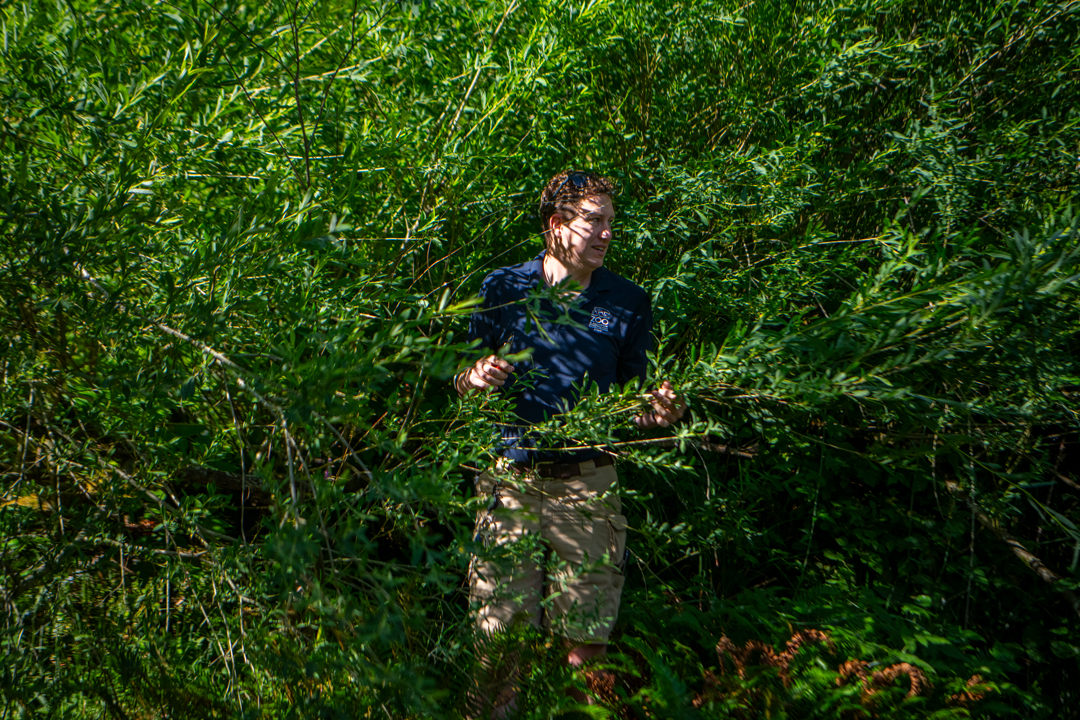
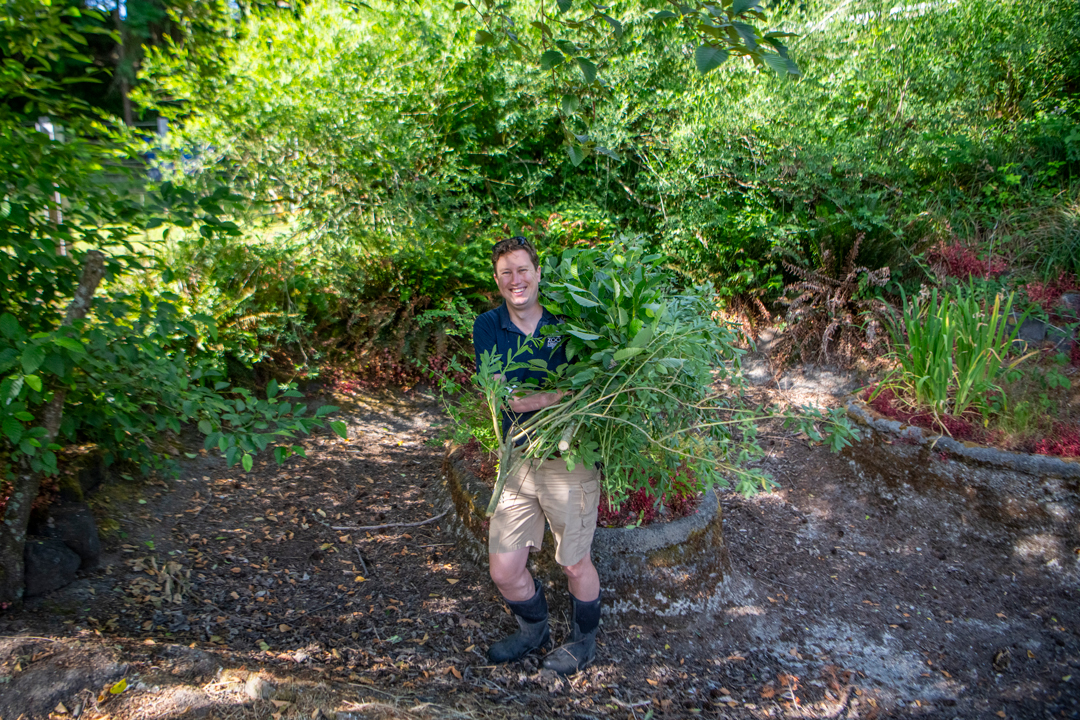
How long have you been a zookeeper or aquarist?
I have been a full-time keeper for about 13 years, first at the Dallas Zoo and then at Point Defiance Zoo since 2018. I started volunteering at zoos in 2004 as a high school freshman.


What do you wish more people knew about the species you care for?
So many of the species at Point Defiance Zoo & Aquarium are animals that live right here in Washington. And there are really simple, easy actions we can take that have huge conservation benefits for their wild counterparts, like making sure we eat sustainable seafood or are careful about what goes down our drains.

Share a moment when you really connected with an animal.
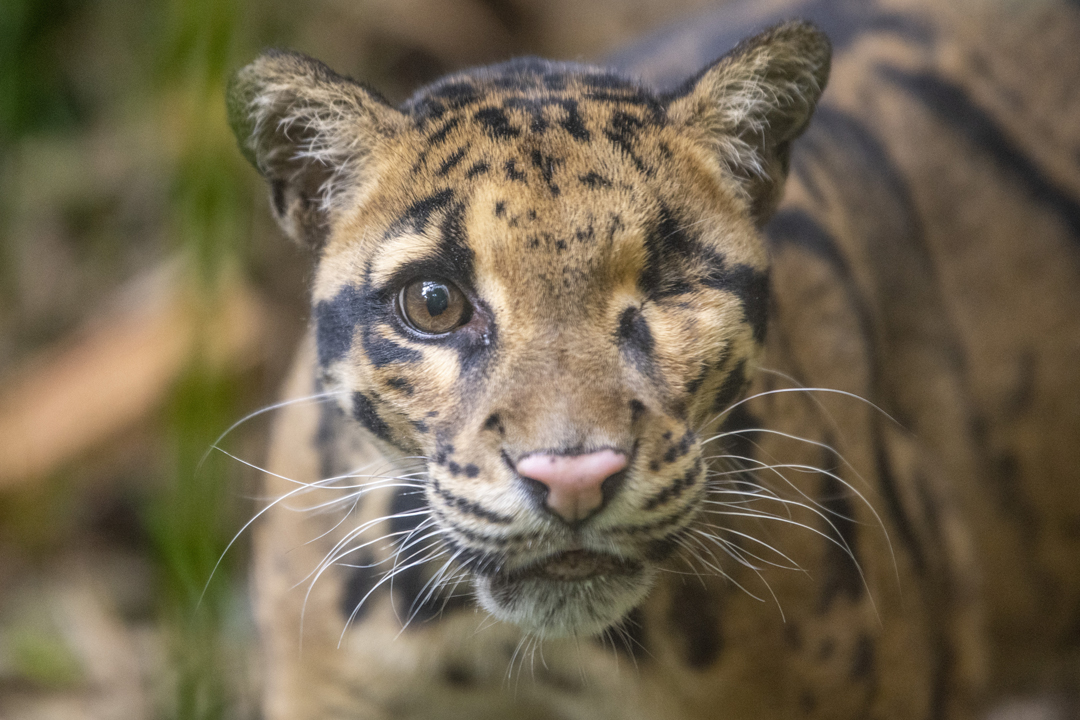
I had the privilege of working with our clouded leopards for many years. They are a species that can be very wary and slow to trust new people. Although it took several years, I was able to establish good relationships with all of them, particularly our oldest female, Jao Ying.
What’s a recent success or milestone you’re proud of in your work?
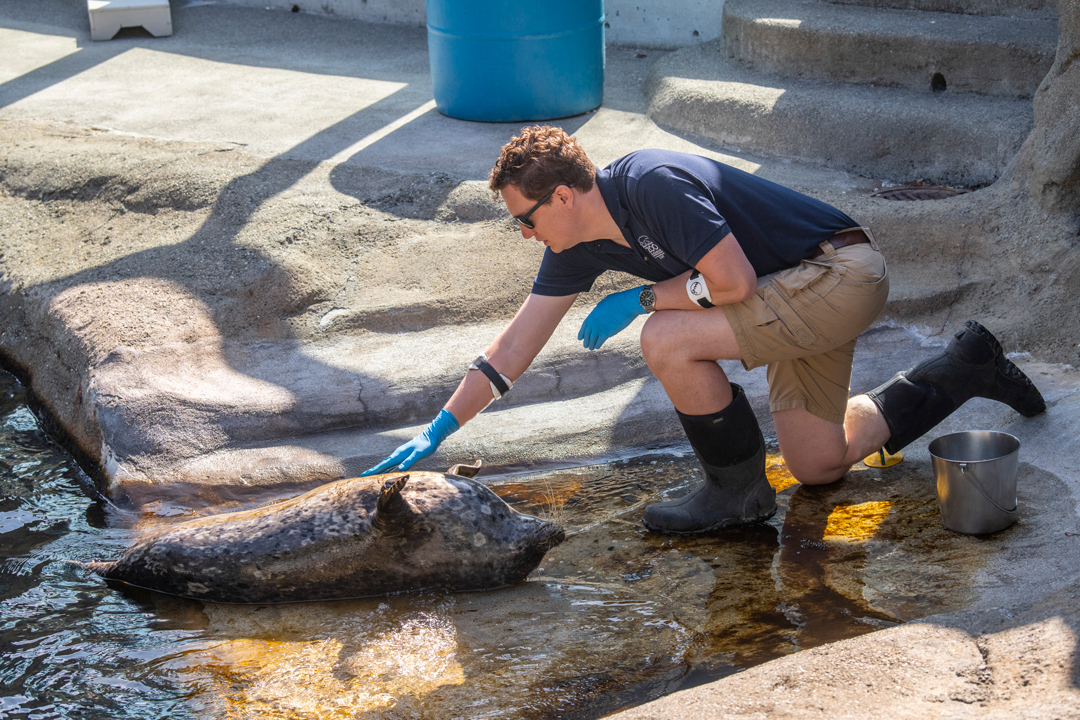
For most of the last year, I have been busy learning the care routines for a wide variety of new species in our Rocky Shores and Arctic Tundra area. I had never worked with marine mammals or birds before, and it has been a big challenge—but amazing and rewarding to learn about and build relationships with a whole new set of animals.

What inspired you to become a keeper?
I have always loved animals, and my family made frequent visits to Woodland Park Zoo and Seattle Aquarium when I was growing up in Seattle. When I was about 12 years old, I learned that zookeeping was a real career, and since then, I’ve never really wanted to do anything else.

What advice would you give to someone who wants to become a zookeeper?
Be prepared to work hard – hanging out with animals is never boring. There’s also a lot of challenging physical work involved. Be curious and always be learning – being a zookeeper requires being a jack-of-all-trades, and the more skills you have, the better equipped you’ll be to provide exemplary animal care.
What’s one of your funniest or most memorable animal moments?
2020 was a really tough year with the pandemic, but it was also the year we welcomed baby Trebek, the muskox calf, who was born on June 7, 2020. Getting to watch him grow up and spend time socializing with him over that summer was an awesome experience.
Do you have a favorite animal to work with, and why?
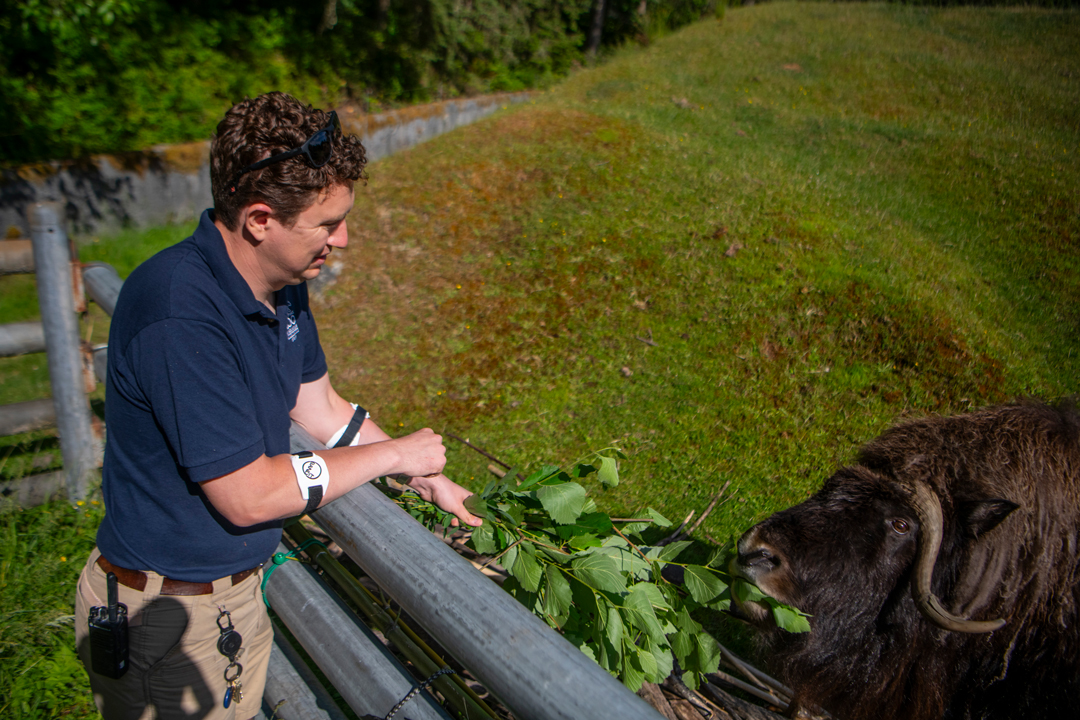
Charlotte, the muskox, is the absolute best animal in the zoo. She’s a beautiful, dignified animal who has been a great mom. All her poise, however, melts away in an instant when she’s offered a snack like a branch of fresh leaves – she will absolutely devour it! She’s an animal after my own heart.

What’s your favorite animal fact to share with guests?
I’m a history nerd as well as an animal nerd, so I love talking about muskoxen and their interesting place in the history of Cold War diplomacy. When President Nixon opened diplomacy with China in the early 1970s, the Chinese government rather famously offered a pair of giant pandas to the National Zoo, but not everyone remembers that the reciprocal gift was a pair of muskoxen. In 1975, a military transport plane from the Soviet Union landed in Alaska – the first Soviet military plane to land on American soil since the end of World War II – and picked up a unique cargo, 41 muskoxen, which were brought to Siberia and used to establish a wild population in an area which had not seen muskoxen since the end of the last Ice Age.