A litter of nine healthy American Red Wolf pups was born on April 18 to first-time mom Violet, and dad, Fiddle, at the shared off-site breeding facility operated by Point Defiance Zoo & Aquarium and Northwest Trek Wildlife Park in Eatonville. The litter includes six males and three females.
The pups are part of a coordinated conservation effort between the two sister zoos, which jointly manage the facility and is home to the largest population of Red Wolves in the world. Through this partnership, the animals receive comprehensive care and support from both zoo and Northwest Trek animal care teams and veterinarians.
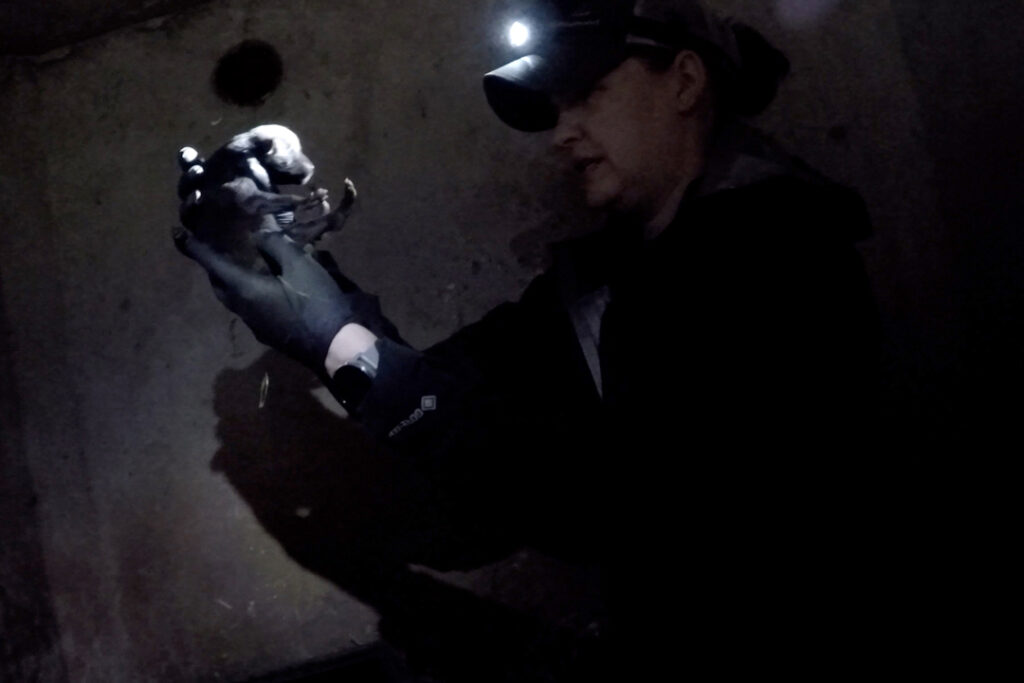
Animal care staff report that Violet is nursing and bonding well with her pups. Keepers have conducted quiet visual checks to ensure the litter is thriving, while minimizing human interaction to support natural behaviors. Veterinarians plan to conduct the pups’ first health exams at approximately two months of age.
“Each new litter is incredibly important for the future of Red Wolves,” said Becca McCloskey, Northwest Trek Curator. “Our goal is to raise these pups with minimal human interaction, so they retain the instincts they’ll need to succeed if they’re selected for release into the wild.”
The pups represent another step forward in the recovery of the Red Wolf, the only wolf species native exclusively to the United States and one of the most critically endangered canids in the world. Fewer than two dozen Red Wolves are estimated to remain in the wild in eastern North Carolina.
“Thanks to round-the-clock camera monitoring, we’re able to observe Violet caring for her pups in a way that closely mirrors what would happen in the wild,” McCloskey said. “It’s essential that every Red Wolf in our care contributes to the long-term recovery of the species.”
Red Wolf pups are born blind and rely entirely on their mother during their early weeks. They begin exploring their surroundings through scent and touch, communicating with soft squeaks and grunts. As they grow, they will gain mobility, begin to vocalize with howls, and rapidly develop into juveniles that resemble adult wolves by about seven months of age.
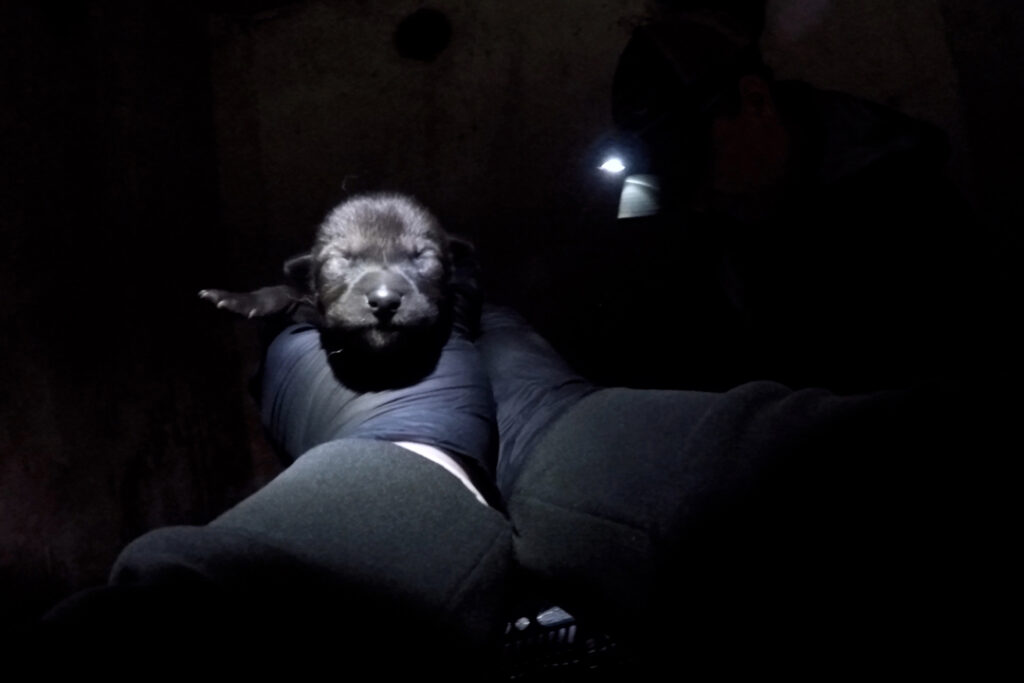
The Eatonville facility has played a significant role in recent Red Wolf recovery successes, including multiple pup births, fostering pups into wild dens to increase genetic diversity, and the release of adult wolves into protected habitats in North Carolina.
Historically, Red Wolves ranged across the southeastern United States, from New York to Texas. By the mid-20th century, habitat loss, human conflict, and other pressures led to their extinction in the wild. A small group of wolves became the foundation of a managed breeding program launched in partnership with the U.S. Fish and Wildlife Service in the 1980s.
Today, more than 270 Red Wolves live in human care across accredited facilities, with Point Defiance Zoo & Aquarium and the Eatonville breeding center playing a vital role in sustaining the population and supporting reintroduction efforts.
“We’re seeing meaningful progress thanks to strong collaboration among conservation partners,” McCloskey said. “There’s still a long road ahead, but we’re optimistic about a future where Red Wolves once again thrive in the wild.”