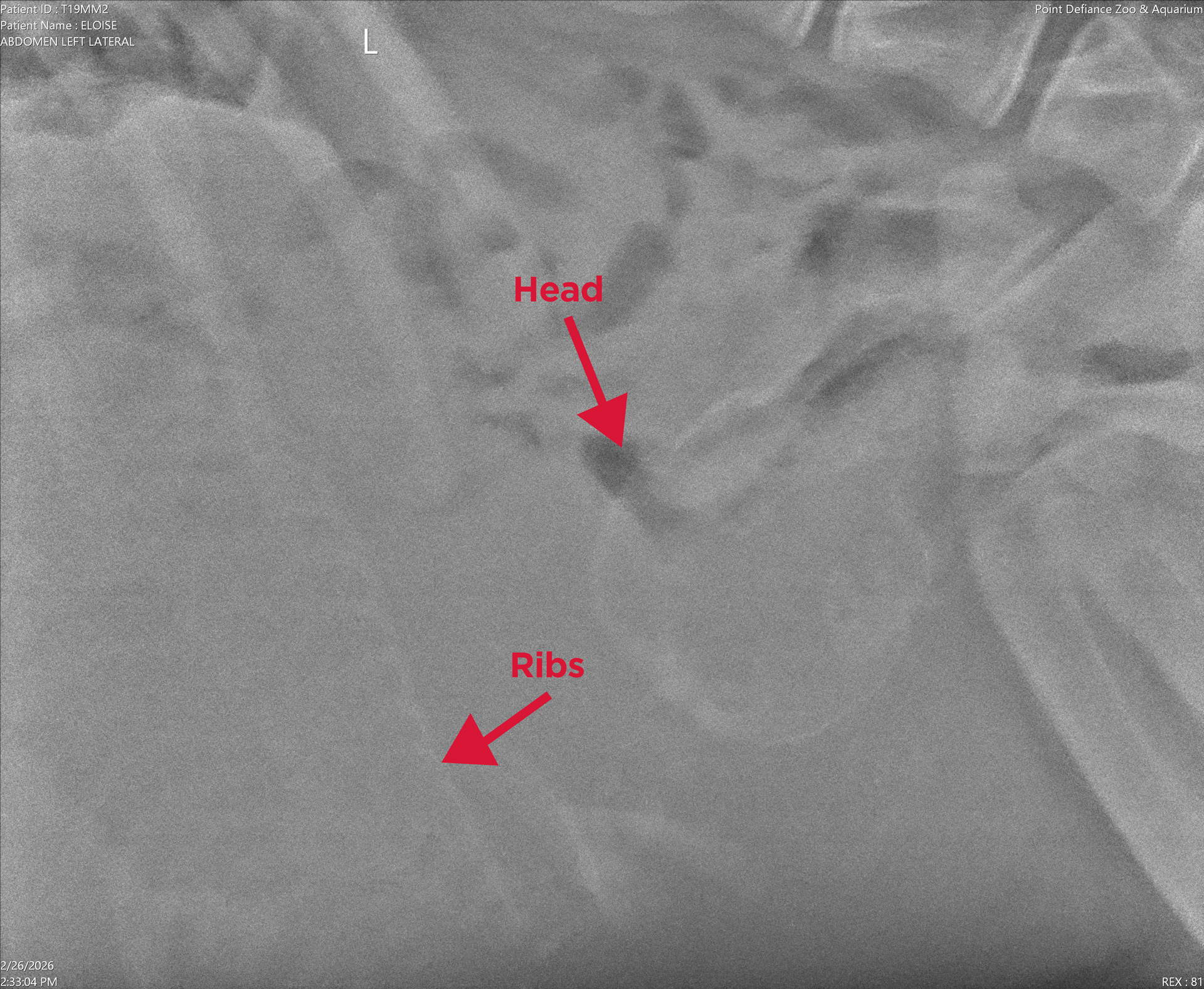
Veterinary staff have confirmed Eloise’s pregnancy through voluntary radiographs and ultrasound, a testament to the training and strong trust between animal care teams and the animals themselves.
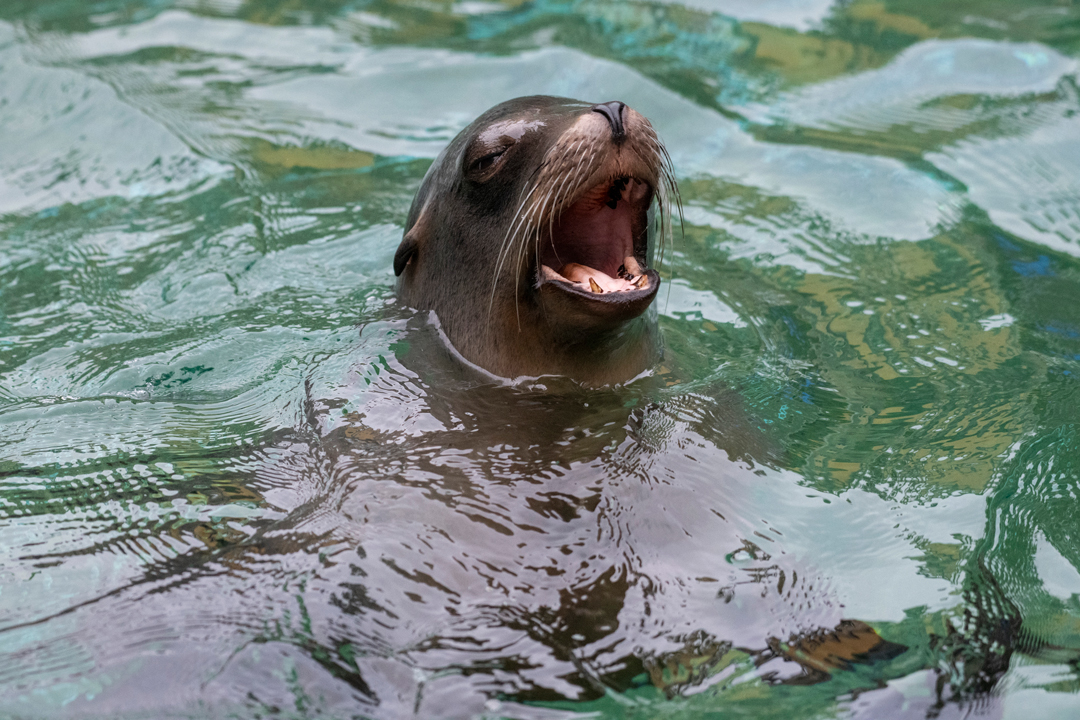
Eloise gave birth to the zoo’s first-ever sea lion pup, Pepper, in June 2024. Like many sea lions, Eloise experiences delayed implantation, meaning births typically occur in June or July.
“This is an exciting time for our team and our guests,” said Jen DeGroot, Curator of Rocky Shores and Arctic Tundra. “Eloise has already shown us what a great mom she is, and we’re eager to support her through this next chapter while continuing to educate our community about these amazing marine mammals.”
Eloise and dad Boomer are a carefully matched pair. This pregnancy is the result of a breeding recommendation from the Association of Zoos & Aquariums’ Species Survival Plan® (SSP). The SSP assesses the genetics of sea lions across North American zoos to maintain healthy, diverse populations and help ensure the species’ long-term survival.
Once the pup is born, it will remain behind the scenes for a few months, where it will learn to swim, nurse, and bond closely with Eloise. Later in the summer, guests can expect to see the young sea lion join the rest of the group in the public viewing pool.
Behind the scenes, keepers and veterinary staff will monitor Eloise around the clock, even checking a 24/7 camera throughout the night when her due date approaches, ensuring both mom and pup receive the best possible care.
About the parents
Both Eloise and Boomer were rescued as vulnerable pups in California before finding a permanent home at Point Defiance Zoo in July 2019.
Eloise, the smaller of the two, was discovered alone at La Jolla Cove Beach in June 2018. After being observed for 48 hours, rescuers determined she had been abandoned. She was taken to SeaWorld, where she recovered from dehydration, learning to feed from a bottle before transitioning to fish.
Boomer’s story began just a month later. He was rescued from Tijuana Slough National Wildlife Refuge after being found alone, dehydrated, and lethargic. Human interaction had likely caused his mother to abandon him. At SeaWorld, Boomer was rehabilitated with intensive care, including tube feeding, until he was strong enough to thrive on his own.
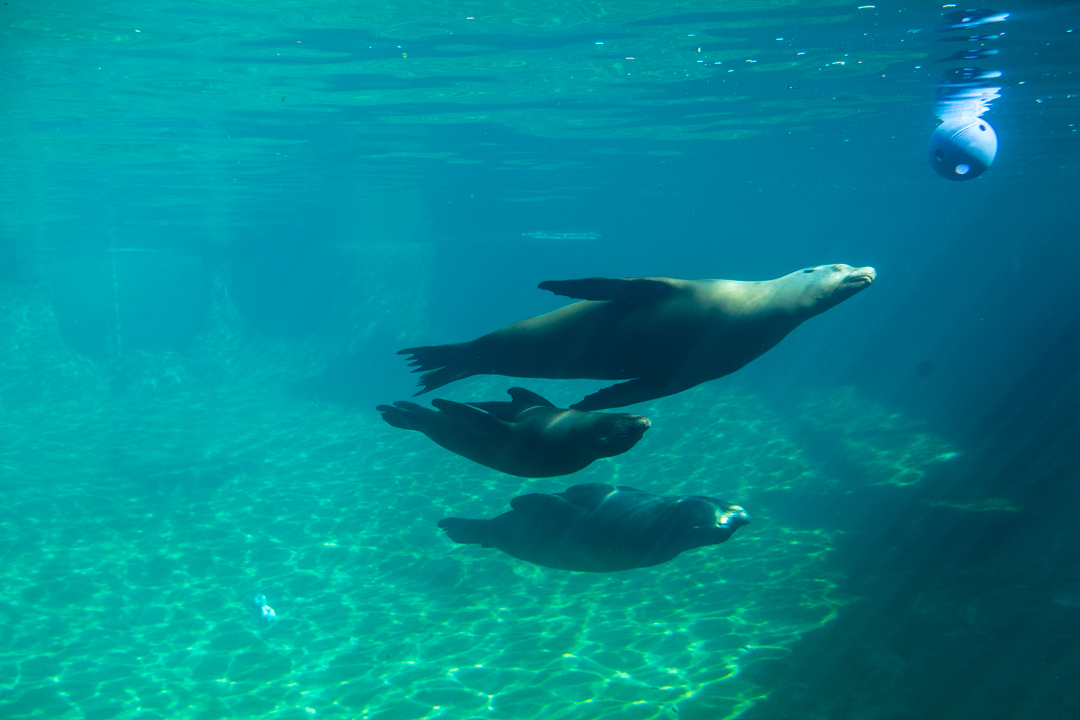
Today, the pair are often seen swimming side-by-side in their habitat. Their first pup, Pepper, always close by.