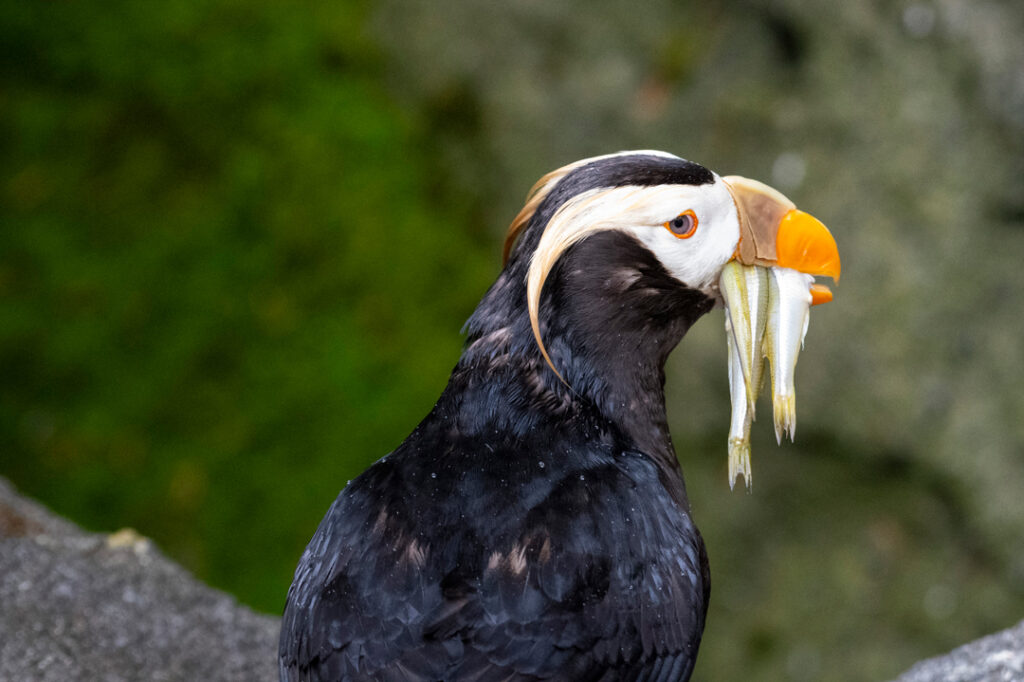
Point Defiance Zoo & Aquarium is investigating the recent deaths of three tufted puffins after preliminary findings indicate the birds may have been infected with avian psittacosis (also known as avian chlamydiosis, parrot fever, or ornithosis), an infectious disease caused by the bacterium Chlamydia psittaci. No active human cases of psittacosis associated with the zoo have been identified.
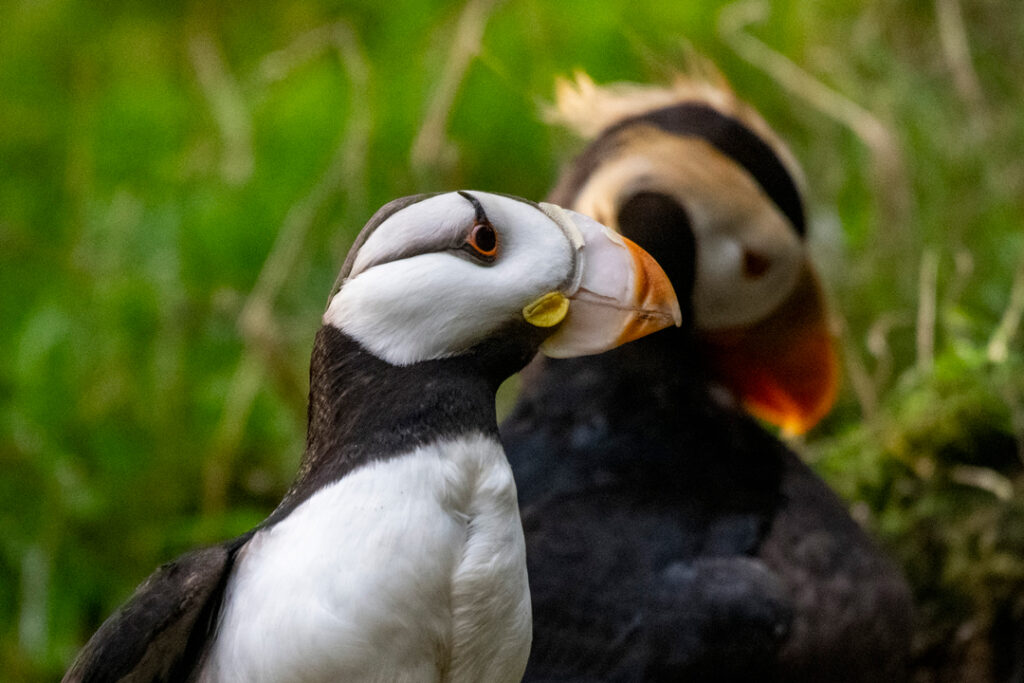
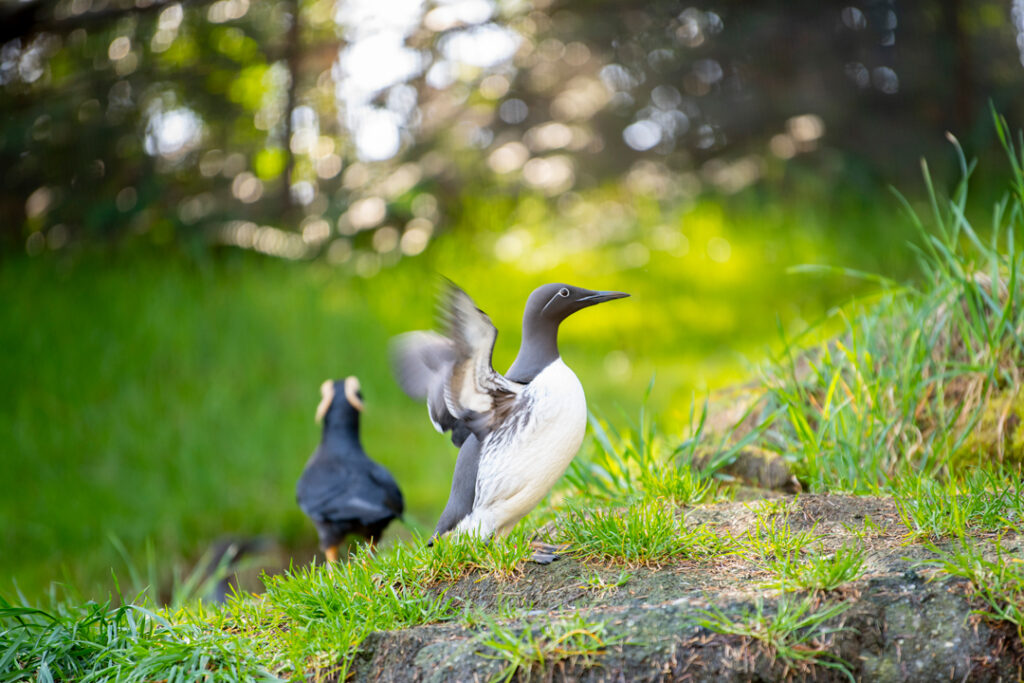
The zoo is awaiting the results of PCR (polymerase chain reaction) testing on the birds, which detects the DNA of disease-causing organisms. While testing is still pending, the zoo has implemented precautionary measures to protect animal, staff, and guests’ health. The pathway to the outdoor puffin aviary and the aviary itself are temporarily closed. The aviary is home to tufted puffins, horned puffins, and murres. Guests may still view puffins and sea otters through the underwater viewing area.

All remaining puffins in the colony are being treated with antibiotics, and animal care staff are using enhanced personal protective equipment, including appropriate respiratory protection, gloves, disposable boot coverings, and disinfecting foot baths while caring for the birds. In addition to treating the remaining puffins, the zoo plans to thoroughly clean and decontaminate the aviary before it is reopened to the public. The habitat will remain closed until zoo veterinarians and public health partners determine it is appropriate to safely reopen.
“We are taking this situation seriously,” said Alan Varsik, Director of Point Defiance Zoo & Aquarium. “Throughout this process, we’ve worked closely with state and local public health officials and veterinary experts. We are following their guidance to protect the health of our animals, staff, and guests. We also continue to consult with occupational health and safety experts to ensure our staff safety protocols reflect current best practices.”
Information for Guests
Although the risk to zoo guests is believed to be low, guests who visited the outdoor puffin habitat within the past several weeks should monitor themselves for symptoms.
People become infected by breathing in dust contaminated with dried bird droppings or respiratory secretions from infected birds. According to the Washington State Department of Health, person-to-person transmission is considered very rare.
Symptoms in people typically develop 5 to 14 days after exposure, although longer incubation periods have been reported. Symptoms may include:
- Fever
- Chills
- Headache
- Muscle aches
- General fatigue
- Dry cough
- Shortness of breath or pneumonia
Anyone who develops these symptoms after visiting the puffin habitat should contact their health care provider and inform them they may have been exposed to birds being evaluated for avian psittacosis. The illness can be diagnosed through blood or respiratory testing and is typically treated with a 2- to 3-week course of antibiotics.
About the Investigation
The source of the suspected infection has not yet been determined. One possible route under consideration is exposure from wild birds, but the investigation remains ongoing and no source has been confirmed. In birds, avian psittacosis can cause inflammation of internal organs, lethargy, loss of appetite, weight loss, and, in severe cases, death. Some birds may carry the bacteria without appearing sick. The zoo will continue to provide updates as additional information becomes available and PCR testing results are received. For more information about psittacosis, visit the Washington State Department of Health.