Point Defiance Zoo & Aquarium is celebrating exciting milestones for its Asian small-clawed otter family: the arrival of a new male otter, Yuki, and the recent birth of a healthy otter pup to another resident pair.
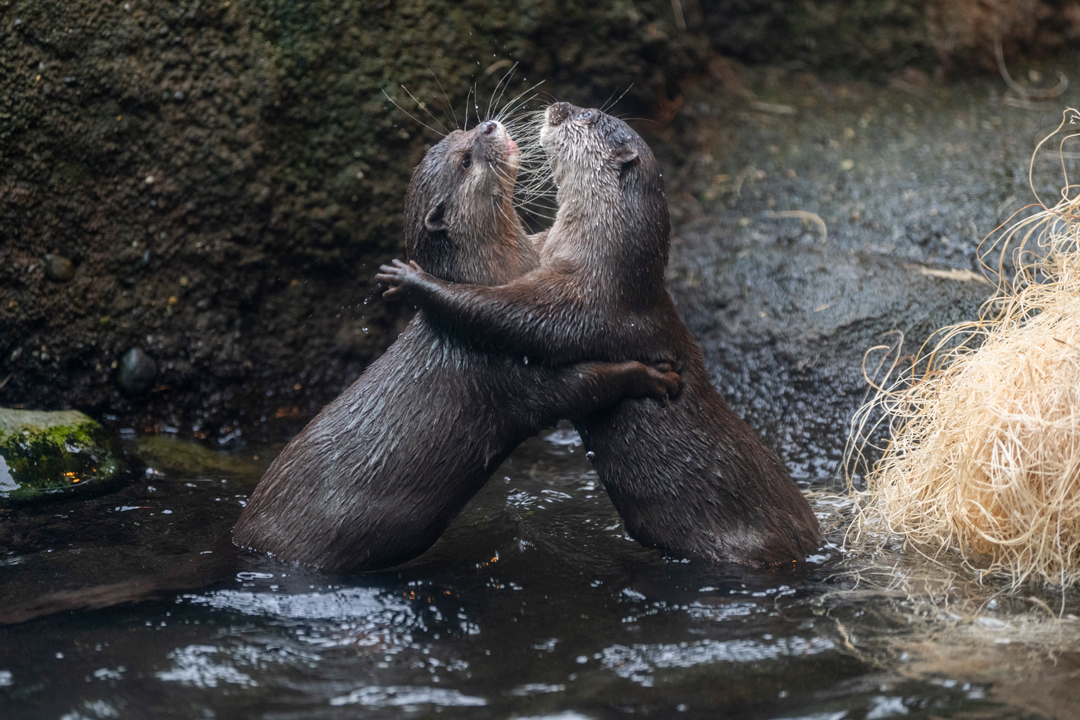
Yuki, a male Asian small-clawed otter, is now exploring the Asian Forest Sanctuary after arriving at the zoo on a breeding recommendation through the Association of Zoos & Aquariums’ (AZA) Species Survival Plan® (SSP). He was paired with one of the zoo’s female otters, Arista, as part of the cooperative program designed to maintain healthy, genetically diverse populations of vulnerable species.
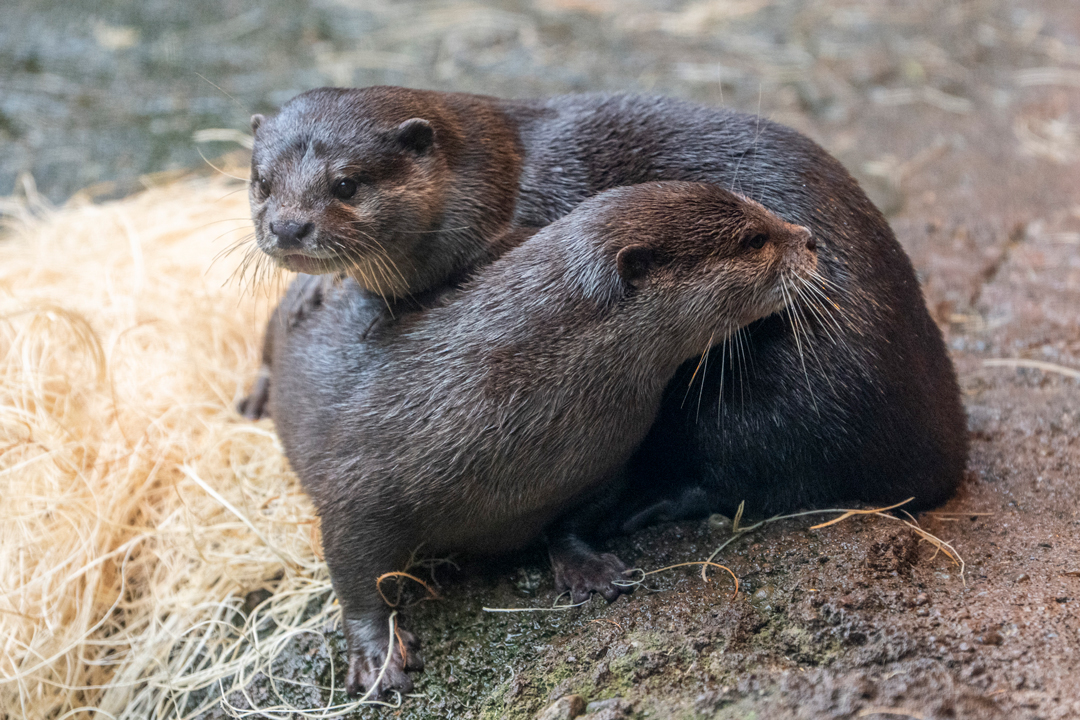
While there is no guarantee of pups yet, the introduction has been a success.
“The pair has been successfully introduced and are very comfortable with each other,” said Telena Welsh, Curator of Asian Forest Sanctuary. “They are sharing space as a bonded pair and settling in well.”
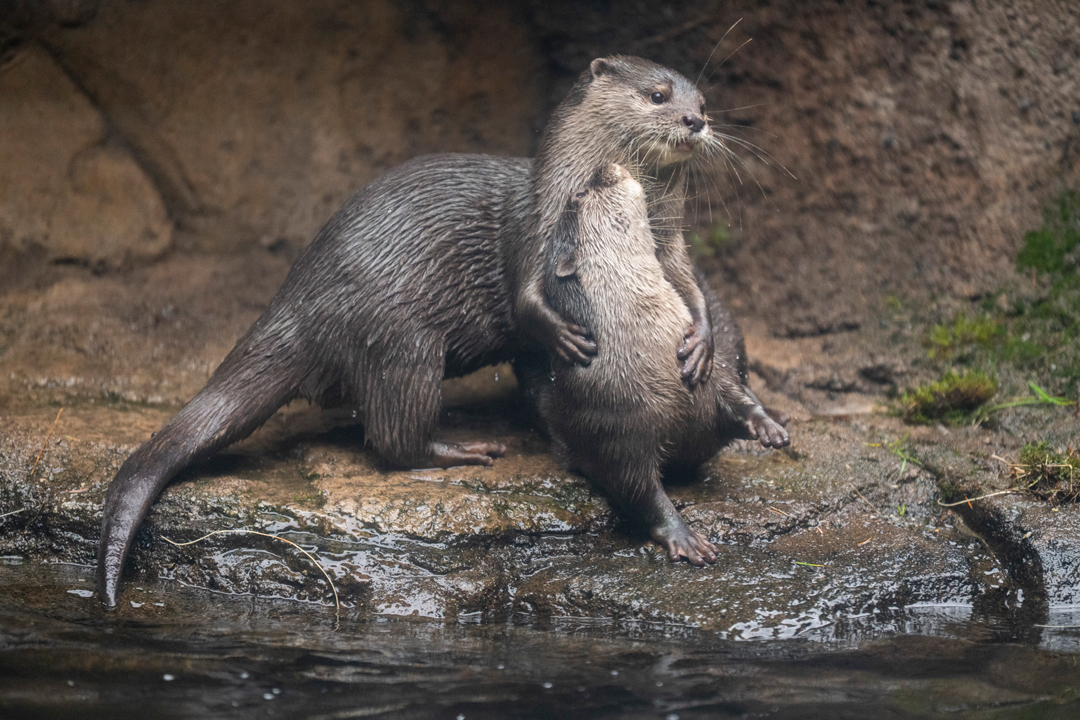
Guests may spot Yuki and Arista exploring different areas of the Asian Forest Sanctuary, where animals rotate through habitats on daily and weekly schedules.
Otter Pup Born to Sebastian and Pintar
Adding to the excitement, the zoo welcomed a new Asian small-clawed otter pup born to first-time parents Sebastian and Pintar in mid-November. Sebastian and Pintar arrived at Point Defiance Zoo in spring 2025 as part of the SSP sustainability initiative.

“As is typical for the species, the new parents are extremely protective and territorial during the early weeks of pup-rearing,” said Welsh.
The zoo’s head veterinarian, Dr. Karen Wolf, performed a brief wellness exam at one month of age, including listening to the pup’s heart and lungs, checking its temperature, and performing an oral exam, confirming the pup is in good health.

“The pup is most likely male and is developing well,” said Dr. Wolf. “At one month old, he weighed just under a pound and showed strong vigor, a round, healthy belly, and good overall condition. His eyes are still closed, which is normal at this stage.”
Otter Pup Development
Asian small-clawed otter pups follow a predictable developmental timeline:
- Eyes: Begin opening between days 17–28; fully open around day 45
- Teeth: First teeth emerge around day 20; canines by approximately day 91
- Thermoregulation: Begin self-regulating body temperature by about day 38
- Movement: First independent movement between days 39–50
- Coat: Born grayish, darkening by 6–7 weeks
- Diet: Begin showing interest in solid food around 7–8 weeks
Sebastian, Pintar, and the to-be-named pup will live separately from Yuki and Arista. Because the species is highly territorial and typically lives only with mates and offspring, animal care staff carefully manage habitats to ensure harmony among the otter groups.

For now, Sebastian, Pintar, and their pup will remain behind the scenes until the pup is older, more mobile, and weather improves.
Asian small-clawed otters are the smallest of the world’s 13 otter species and are native to southern India, China, Southeast Asia, Indonesia, and the Philippines. Highly social and vocal, they use at least a dozen distinct calls along with touch and scent to communicate. In the wild, they feed on crustaceans, mollusks, small fish, insects, reptiles, and amphibians.
Together, Yuki’s arrival and the birth of the new pup highlight the zoo’s ongoing commitment to conservation, collaboration, and the care of this vulnerable species.